

The Casa extends its hand to Haitian immigrants in Tijuana
By Sr. Maru Espinoza
If you'd like to help the Sisters continue to feed and help these immigrants, please Donate
The Haitian Village of Santa Julia
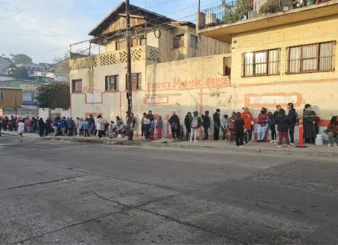
There are more than 130 Haitian refugees (men, women, and children) living on a small parcel of land that the Casa owns and where the sisters used to hold catechism classes.
Dear friends of the Casa de los Pobres in Tijuana, Mexico from Fr. Gil Gentile . . .
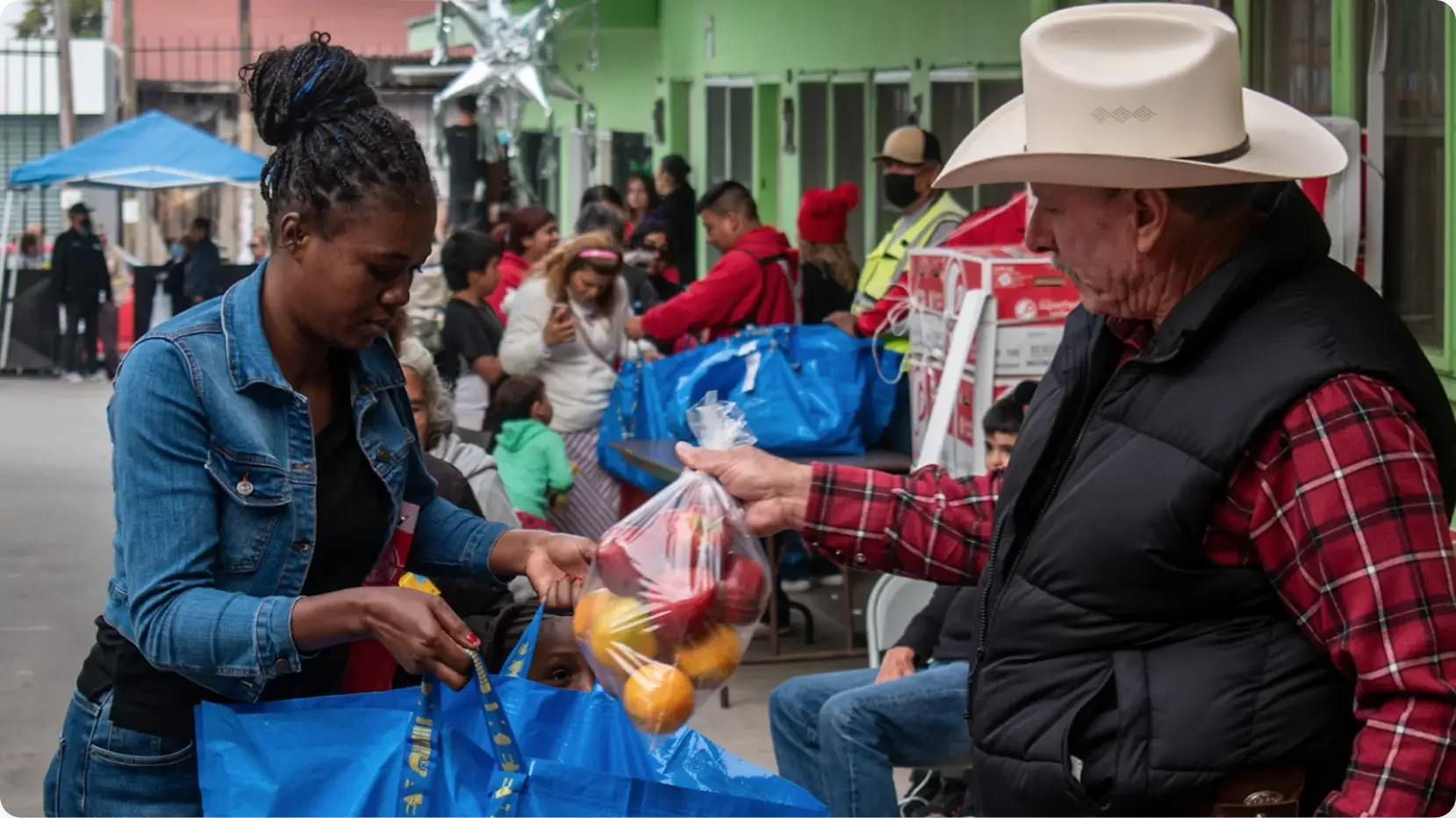
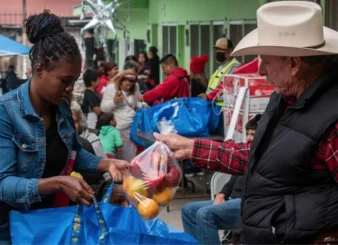
Here is another update from Sr. Maru Espinoza about what the sisters are now calling "The Haitian Village of Santa Julia." where they have helped since 2022. There are more than 130 Haitian refugees (men, women, and children) living on a small parcel of land that the Casa owns and where the sisters used to hold catechism classes. The Sisters have provided small tents and a large pavilion-type tent that provides some extra protection for the small tents. The Sisters from the Casa also provide all the food, blankets, medicine and household goods that the refugees need. Here are Sr. Maru's words that she sent on the 1st Sunday of Lent:
I had not written about the Haitians because even though things are progressing, in a way they remain the same. They are now finally enjoying access to water, thank God. We have put some sinks outside so that the women would not be sitting on the ground, washing. So now they are very happy with the sinks. The little kitchen that Sr. Armida's brother and workers from the Casa and the City of Mercy worked on is finally finished, thank God. Now we need new appliances, such as a stove and a refrigerator. The electricity is also finally working. There are big lights on in what we are calling “The Haitian Village of Santa Julia,” and now at night they are not in the dark, thank God, But now we have a big dilemma: since they have access to basic electricity, they have pulled wires and there are endless cables in the camp in their tents. Yes, each one has a cell phone that needs to be charged.
The other day a man sent me a video to tell me that his tent had gotten wet, and that he had slept standing up. I was very concerned when I saw the cables and wires that he had on the floor of the tent and with all the water from the recent rains flooding the floor of the tent.
Sr. Armida and I had already seen this serious and dangerous problem, and we hope that the electrician ends up with a good solution. For now, the HBA (Haitian Bridge Alliance) brought them some solar and battery-powered lamps, so that they have light inside their tent/camp, but obviously those will not charge the cell phones.
We also have a sick man there at the camp who has not been eating or sleeping. Sr. Armida and I took him to the doctor and after analysis and X-rays, it showed that he had TB and HIV. Two groups that help migrants were and still are going to provide medical consultations.
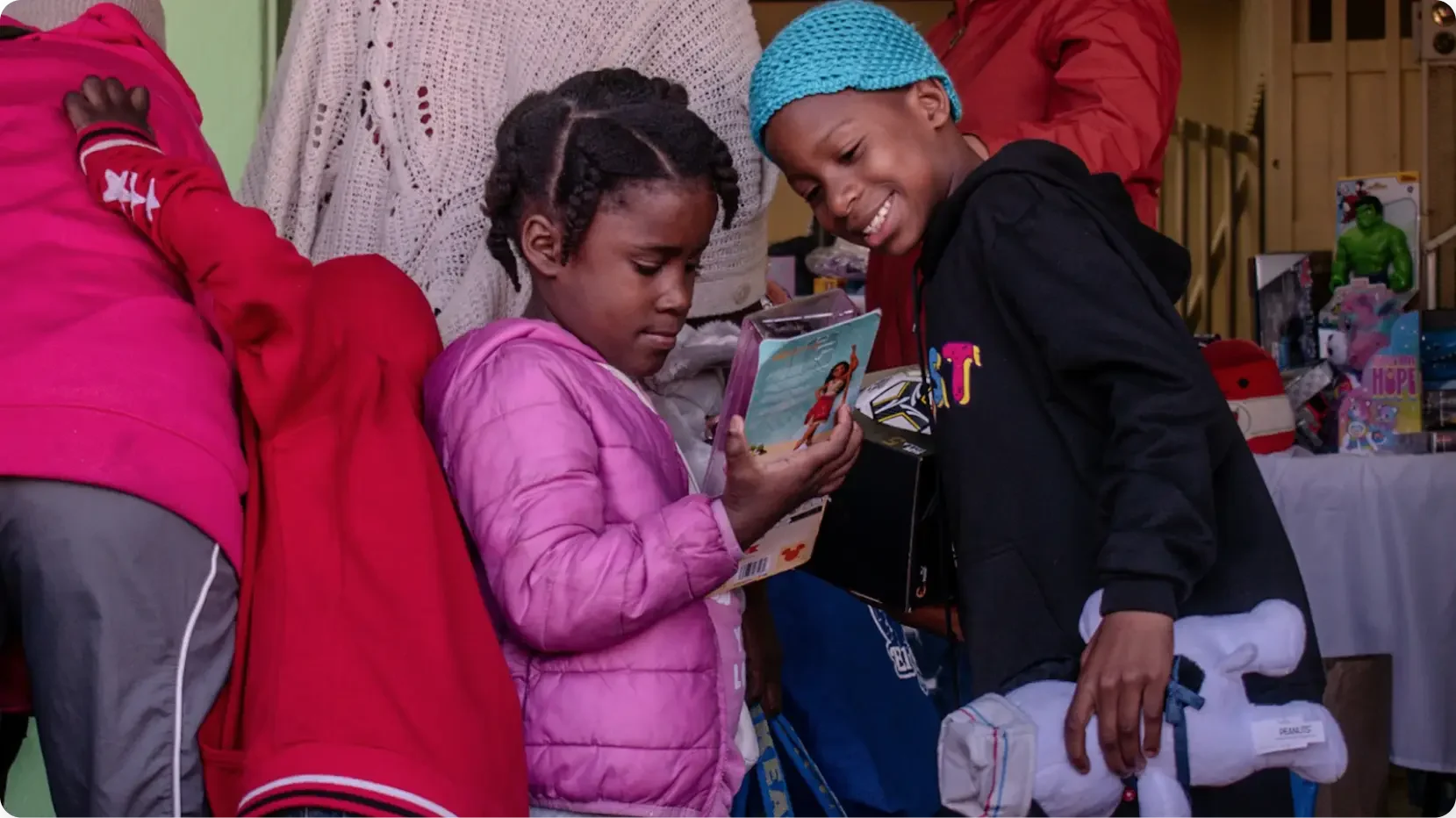
Yesterday, the HBA group threw a little party for the children. It surely is difficult for them not knowing the language (most speak Haitian Creole), so it is a good thing that the HBA is coming. Although there are some Haitians who do know Spanish.
Padre, I don't think I told you that almost daily we are sending new tents and tarps to the refugees. Very often, the zipper on the entrance to the tent breaks or tears. I think that’s because they use it a lot to get in and out.
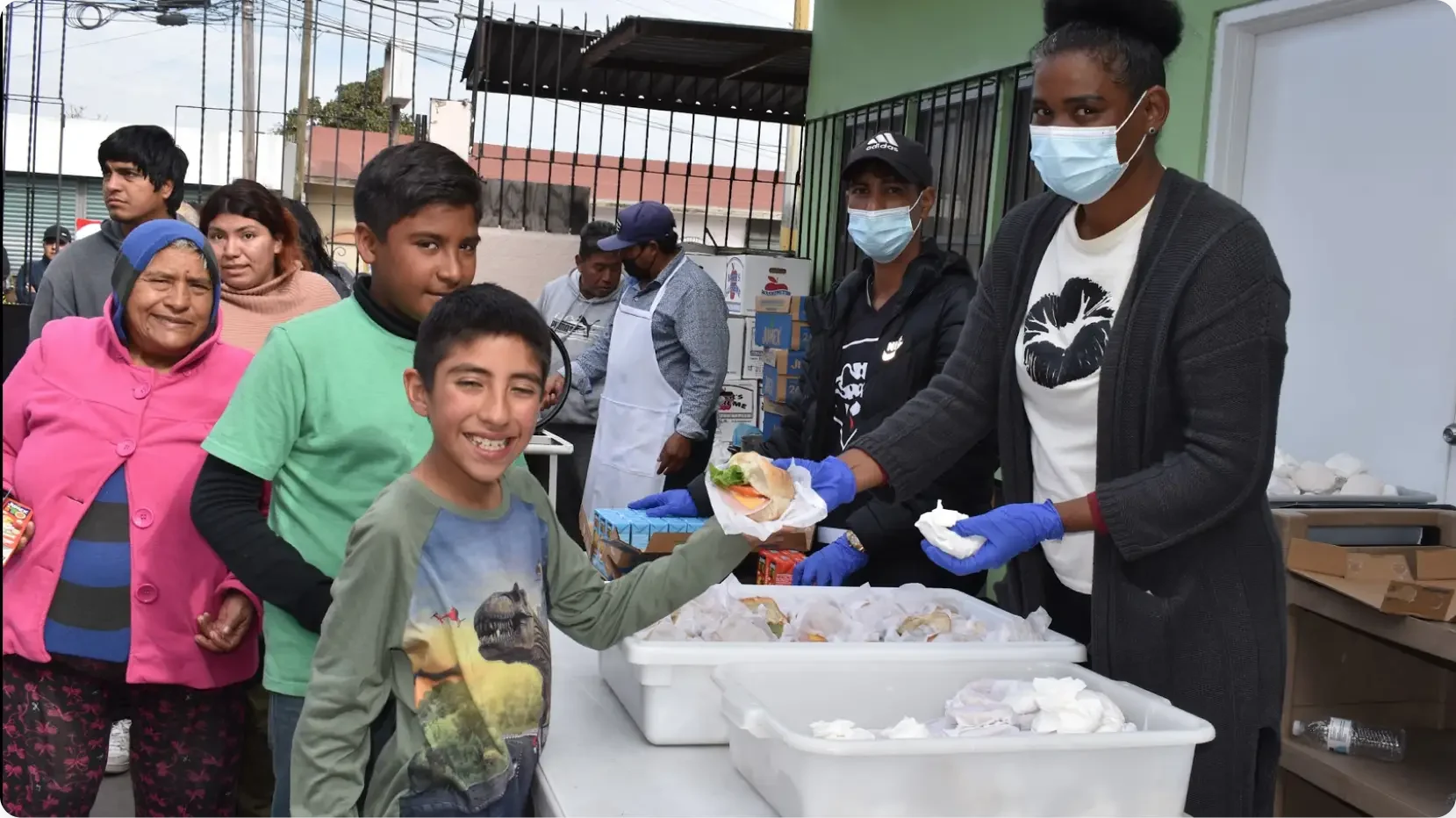
Rice, beans, chicken, meat, canned sardines, spaghetti, oil, vinegar, are things that we are sending almost every day.
Also, we are sending more blankets too, because the ones we’ve already sent get wet, and in this rainy, cold weather there is no way to dry them. They also use the blankets to put on the “walls” of the tents or at the “doors” or the entrances to their tents.
Update from Sr. Maru Espinoza, MFP:
“Every day we are doing something for the Haitian community – ‘the little Haitian town of Colonia Santa Julia.’ We are very grateful for the help of Mr. Memo Gomez (a brother cursillista). We bought 3 outdoor storage units, that are like little houses, and he very generously picked them up from Lowe’s and brought them across the border – no easy task!”
"On Wednesday I went to visit the people in Santa Julia. There weren’t many men around and only a few women sitting outside of their tents washing pots and other things. I went to look at the portable bathrooms that we rented and the portable showers. I met three women washing their clothes seated on the ground, and they seemed happy, and they greeted me warmly.
I met a man and a woman there who speak Spanish. We spoke about life in the camp, and I asked him if he would be willing to prepare a list of things that the people need and send it to me, and he agreed. He is also the head of one of the teams. He sent me the list which was long: rice, sugar, chicken and many other items. There were so many that we had to send them with one of the trucks from the Casa because they wouldn’t fit in a taxi. When there are just a few things we ask them to come to pick them up, and they return by taxi which we pay for.
During my visit I learned that there were 4 sick people. One of them was the sister of the man who is helping to make the lists of necessary food items and other things. She had body pains and a fever. Imagine! There are 20 children and three pregnant women in the group. In total, there are 130 people! We quickly contacted the Director of Health and asked if his department could send out a doctor to assess the situation, but he said that he couldn’t do that and that the sick people would have to go to the public General Hospital which is extremely far from Santa Julia.
We are following up with a new kitchen for the people. Sister Armida’s brother, with some of the workmen from the City of Mercy in Rosarito (where the sisters have their hospital for mental health, Hospital San Ignacio de Loyola), are working to make the kitchen bigger because there are so many women preparing food for so many.
We have also bought large tarps, and the people have covered their tents with them, so that they won’t be so cold at night. The camp is located on a very high point, and the wind and the cold just penetrate everything.
If you'd like to help the Sisters continue to feed and help these immigrants, please Donate here.
Sr. Maru, MFP
Other Articles
Make a Donation to Help Support the Poorest of the Poor
Your support, one-time or recurring, makes a difference — everything helps!


Thank You!
Become a Sponsor and help support the mission of the Casa de los Pobres.